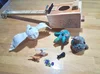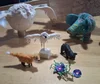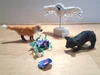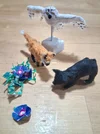
My sculptures and Hand-sculpted and Engineered Musical Instruments
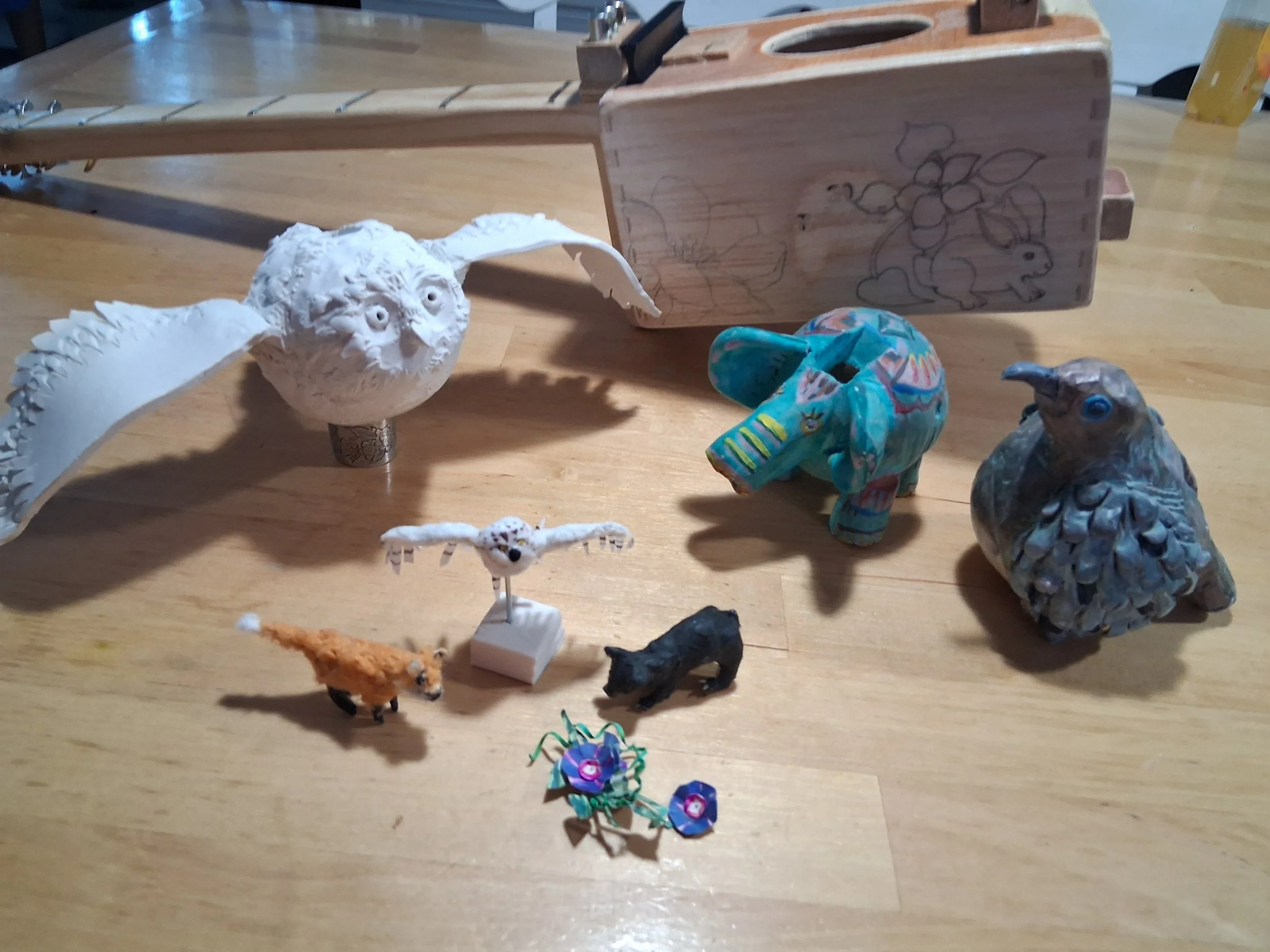
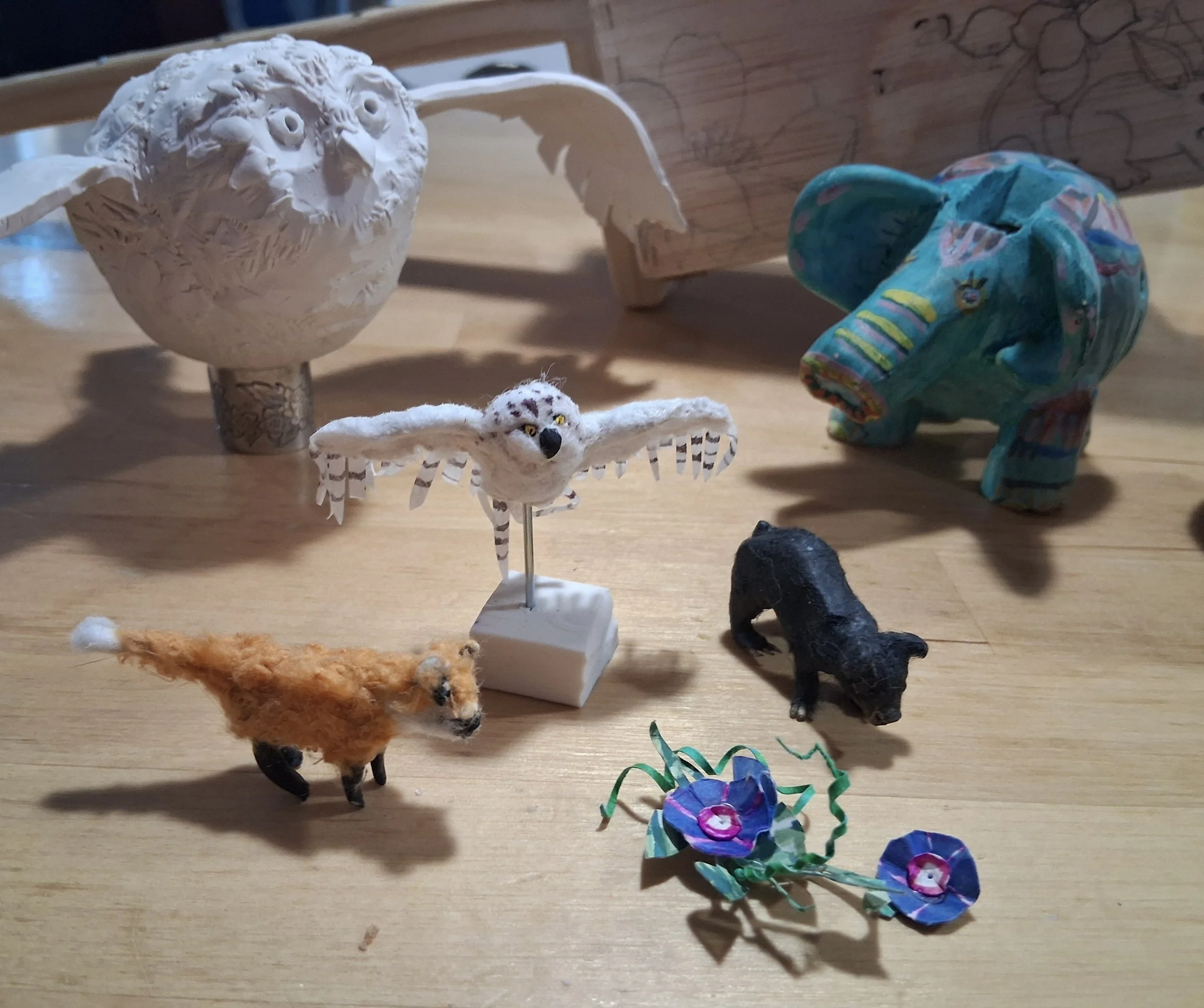
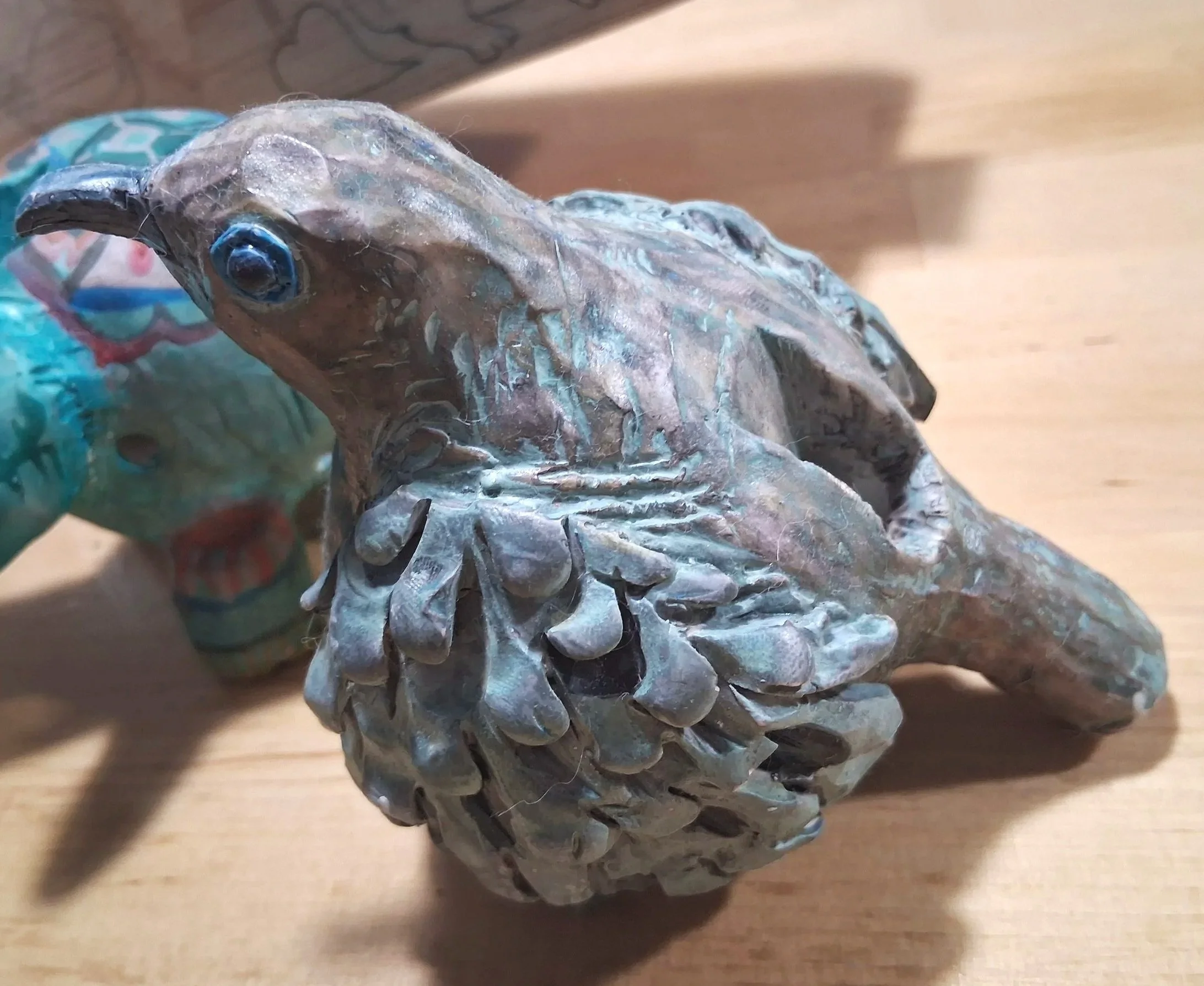
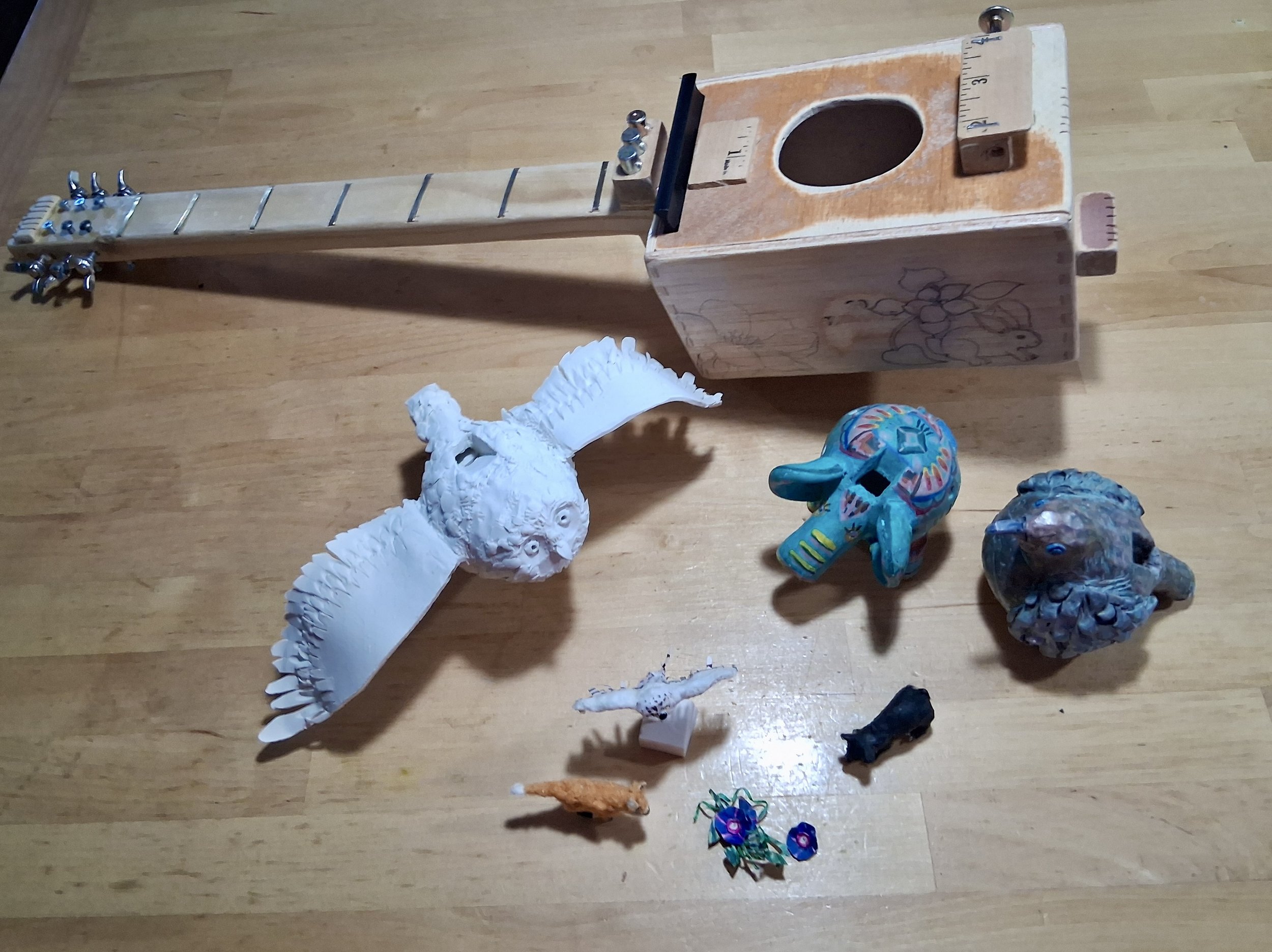
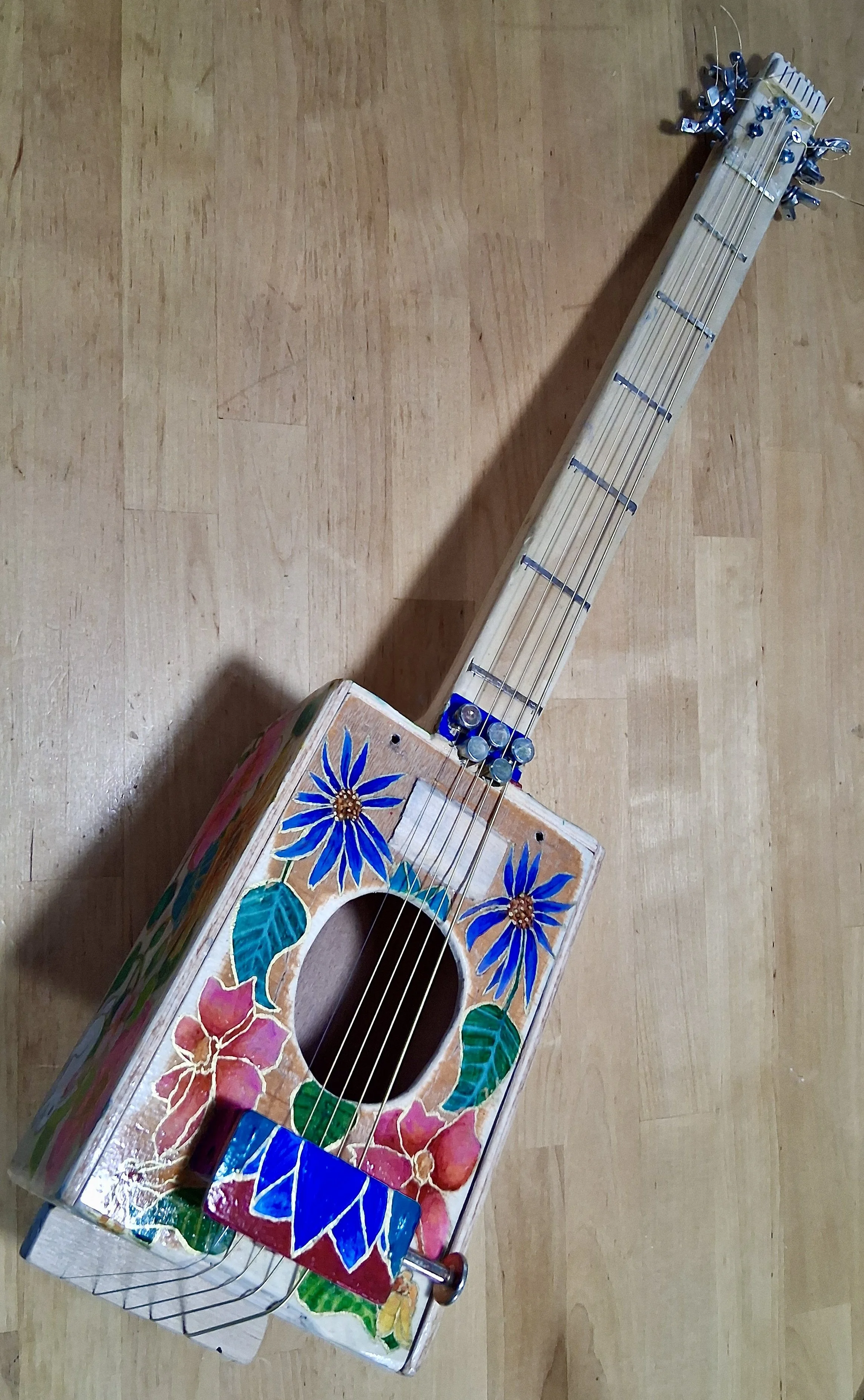
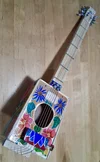
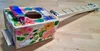
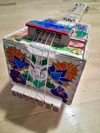
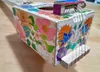
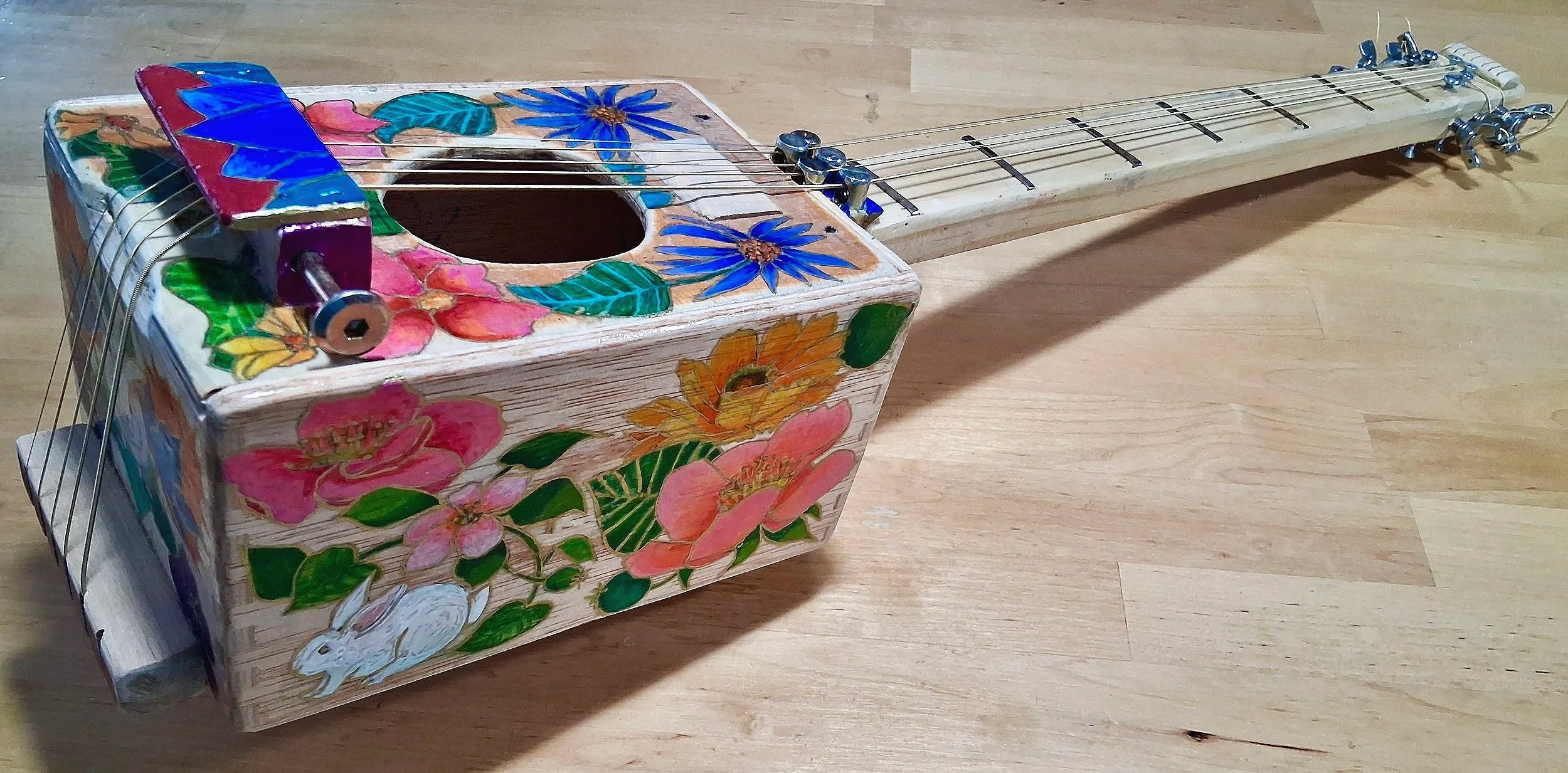
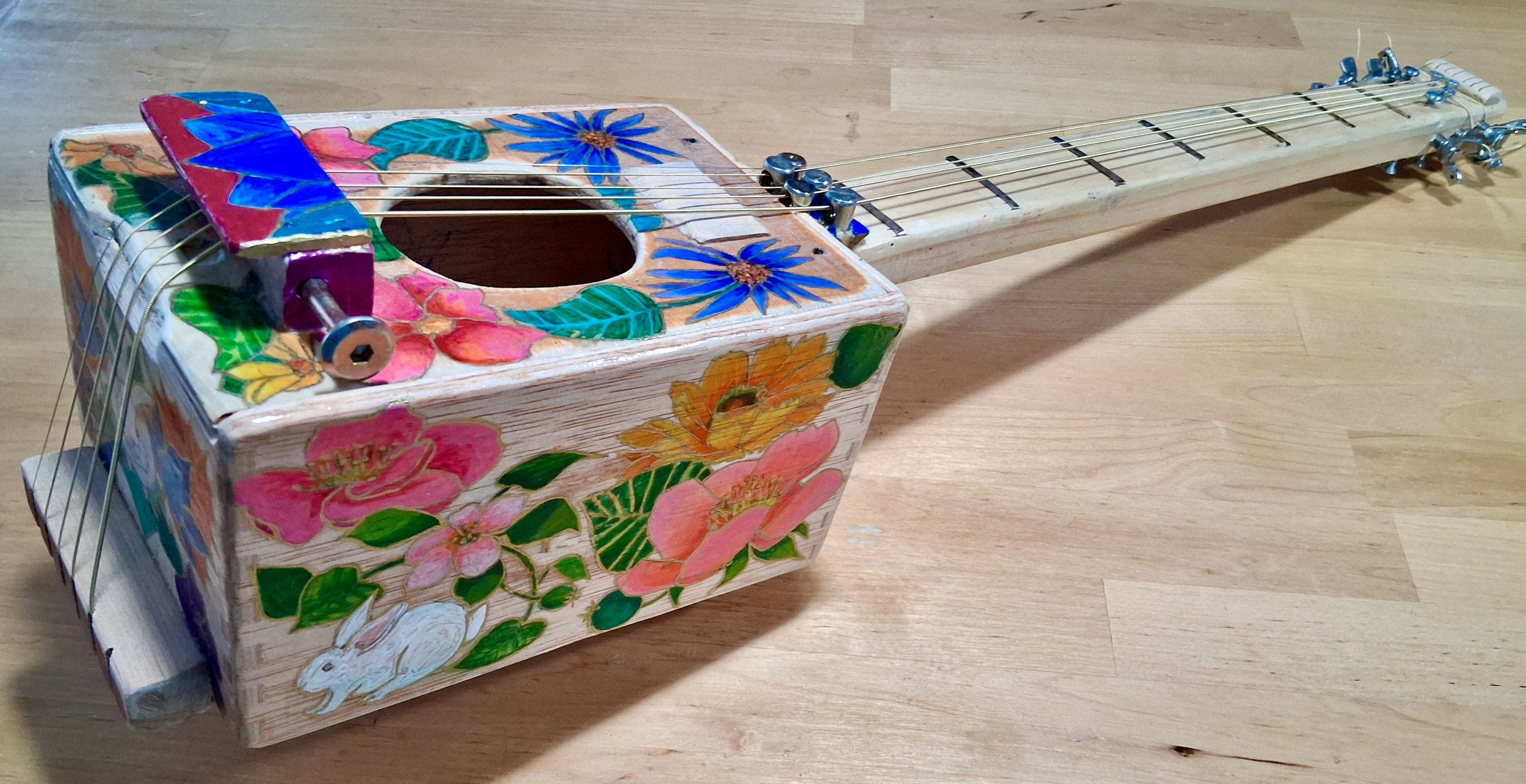
Handmade Box Guitar
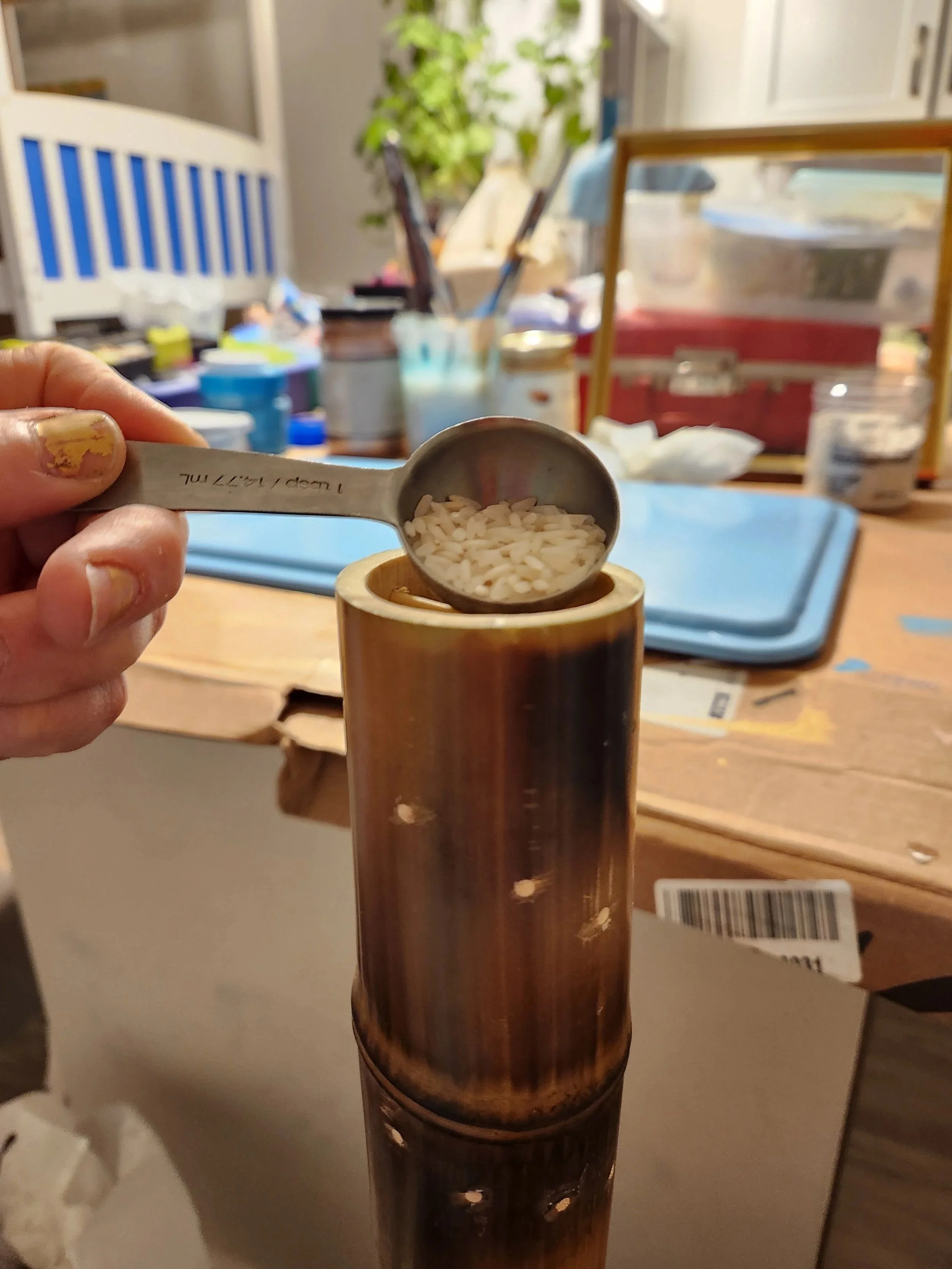
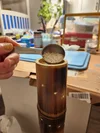
2023/4 Bamboo Indonesian style rainstick instrument in progress
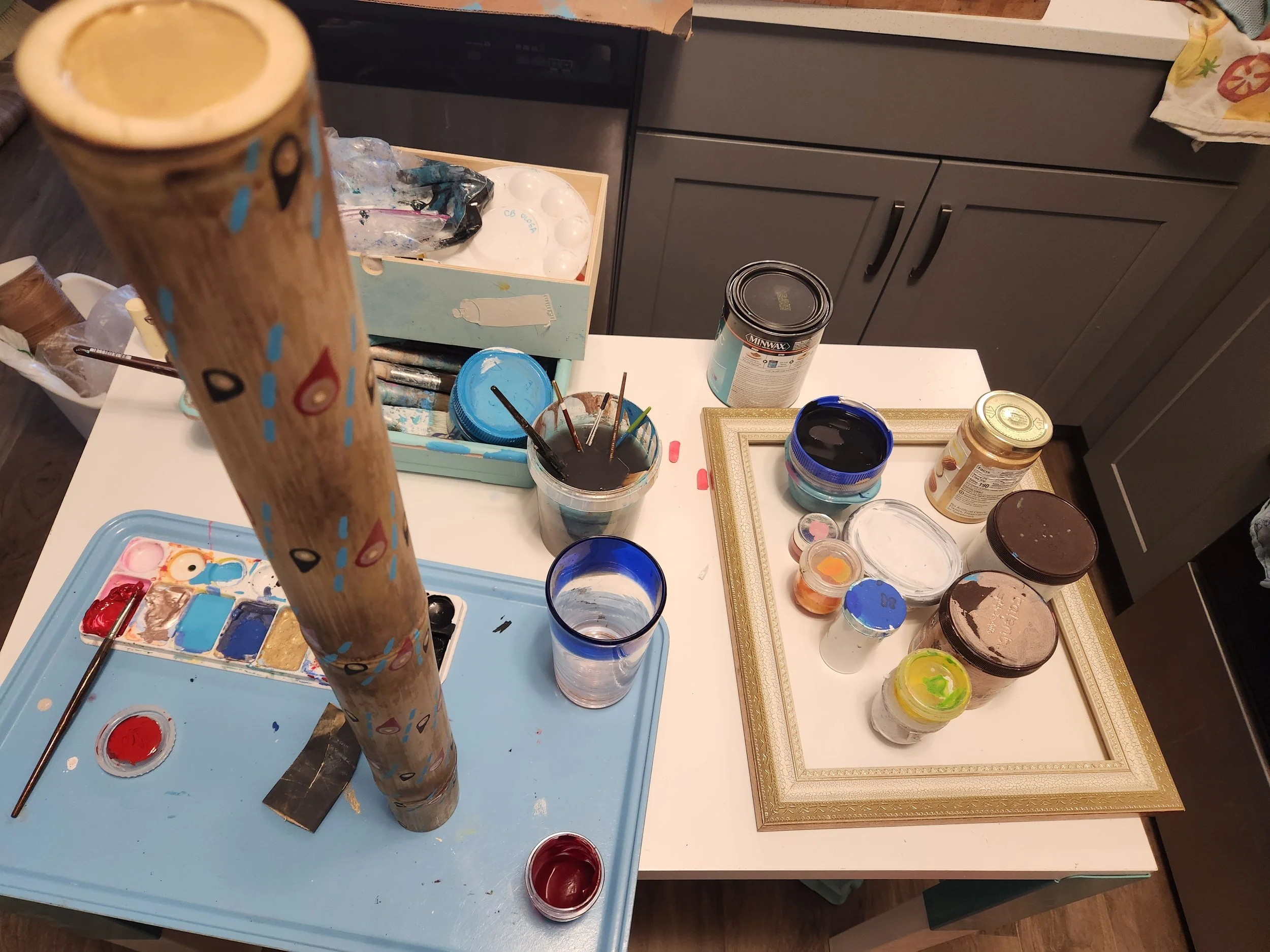
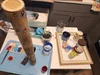
2023/4 Indonesian Rainstick in progress
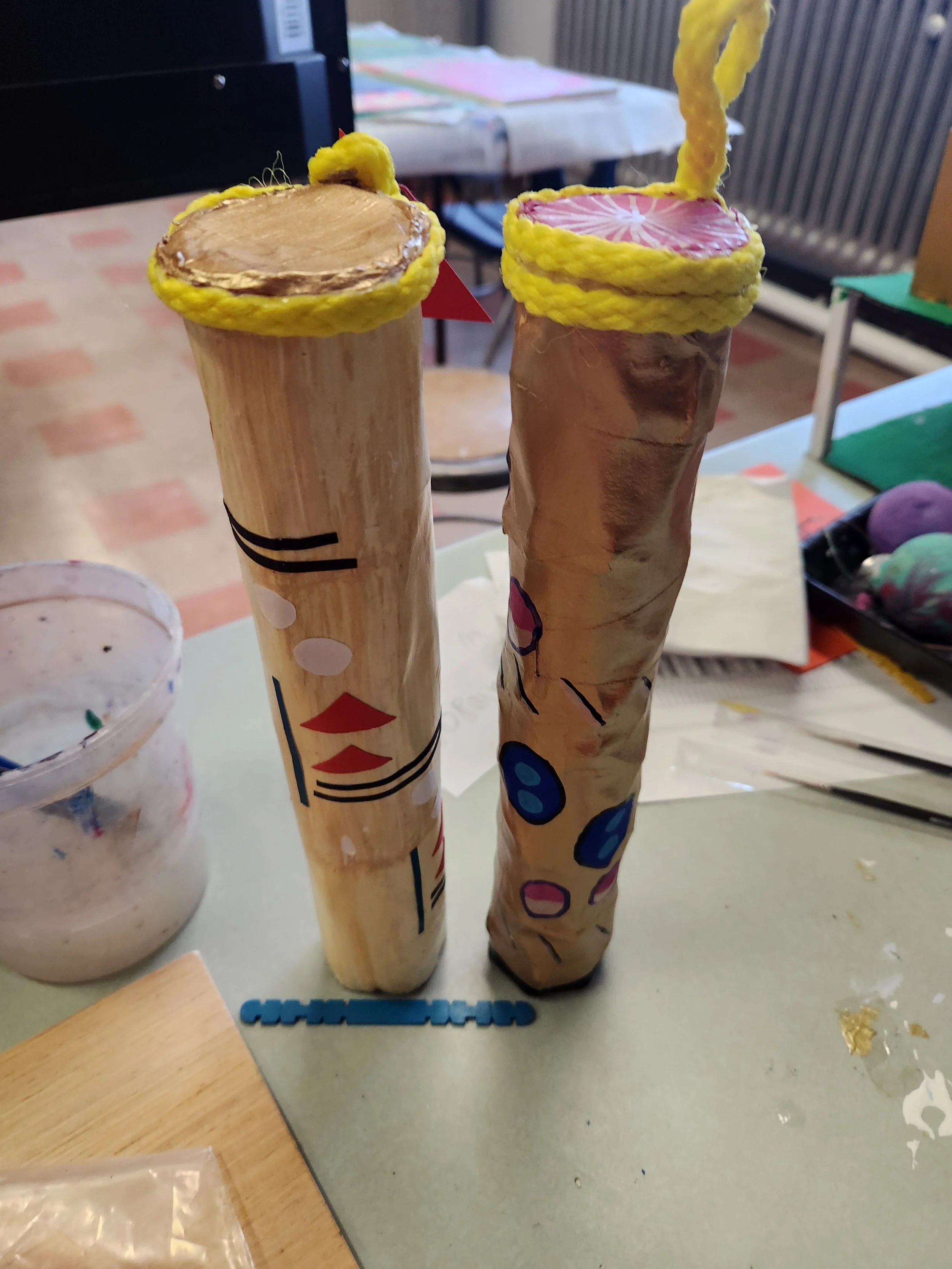
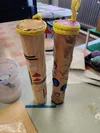
My Teacher Demo samples of Cardboard rainsticks for student lessons
My sculptures and Hand-sculpted and Engineered Musical Instruments
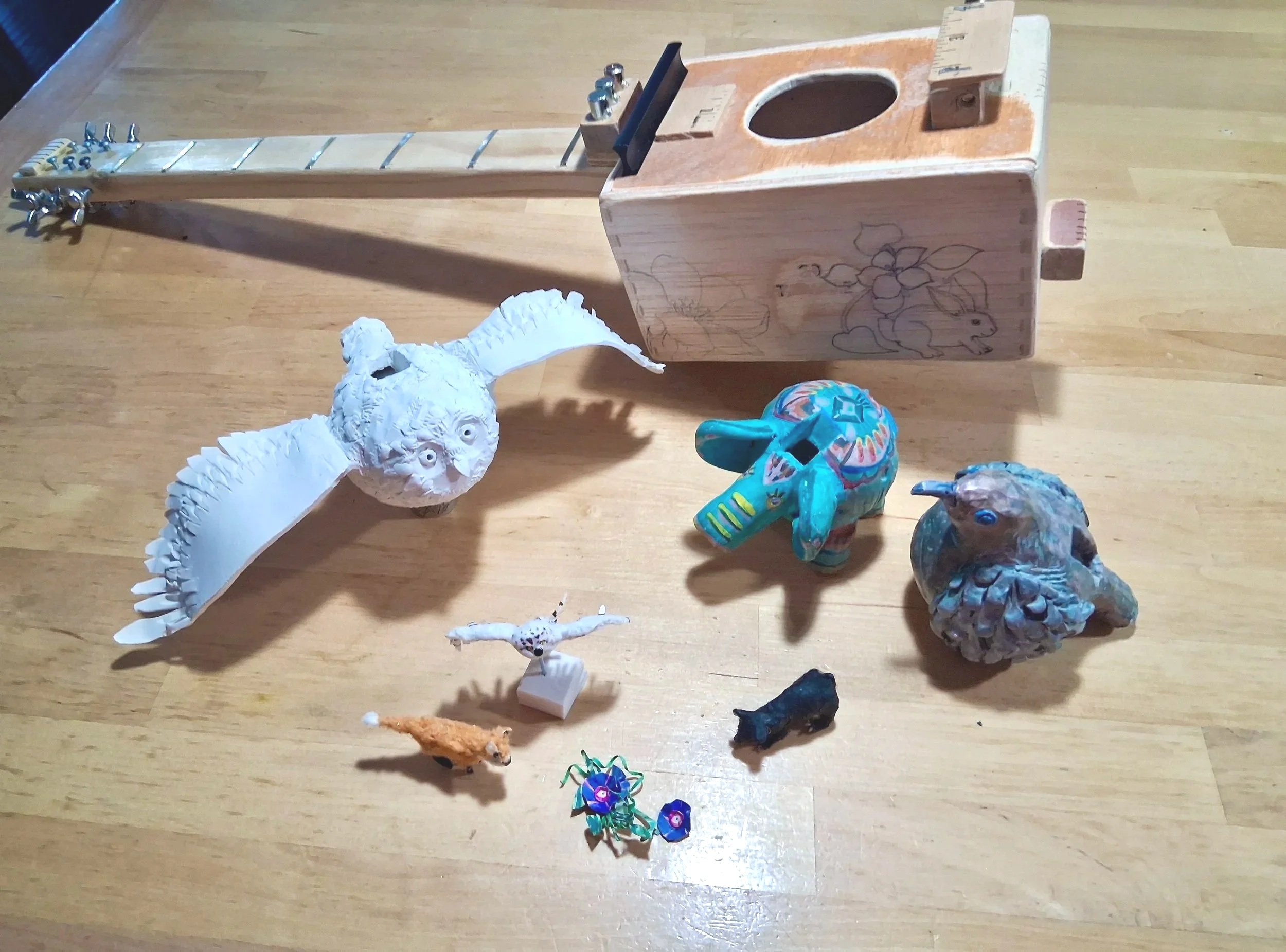
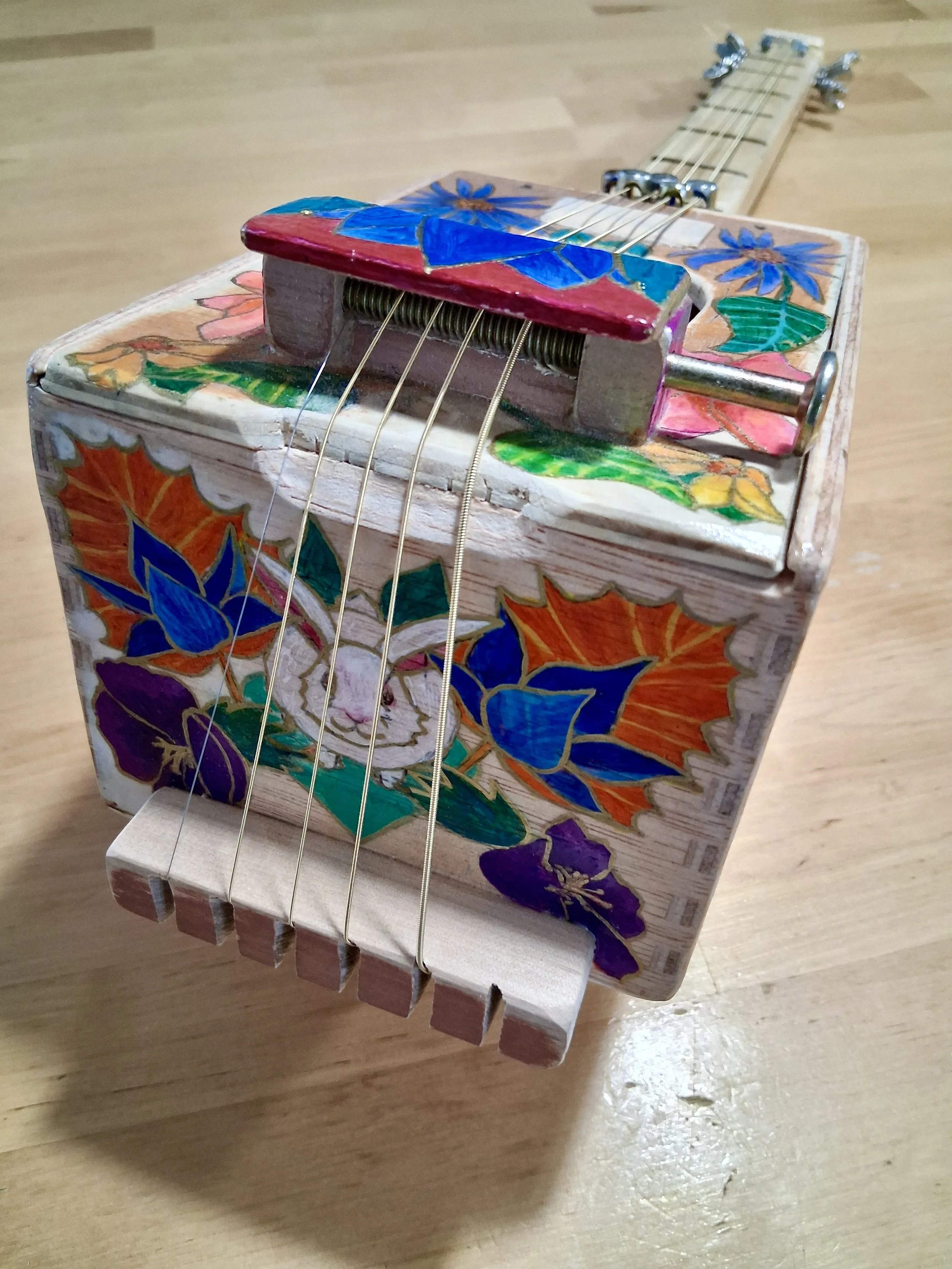
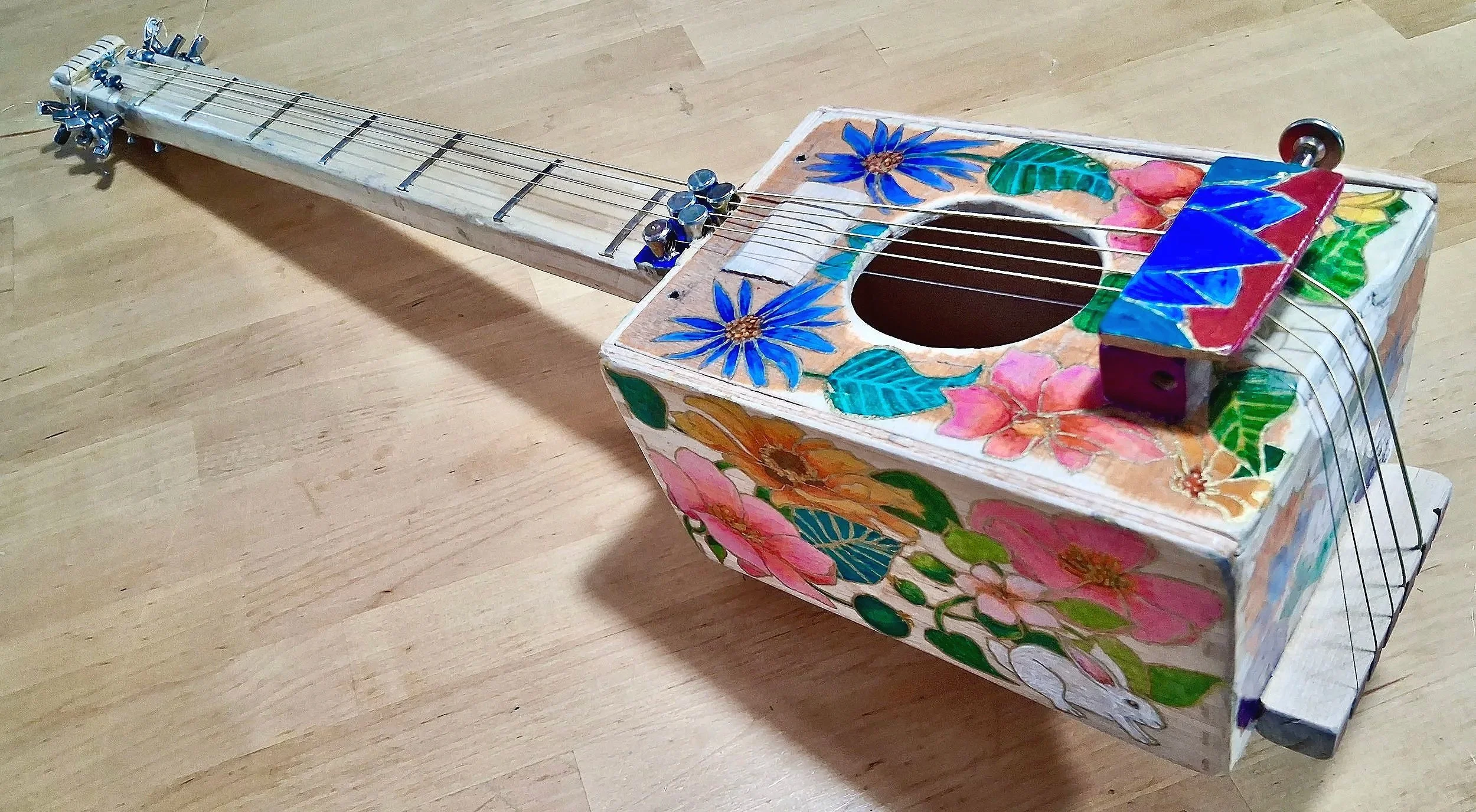
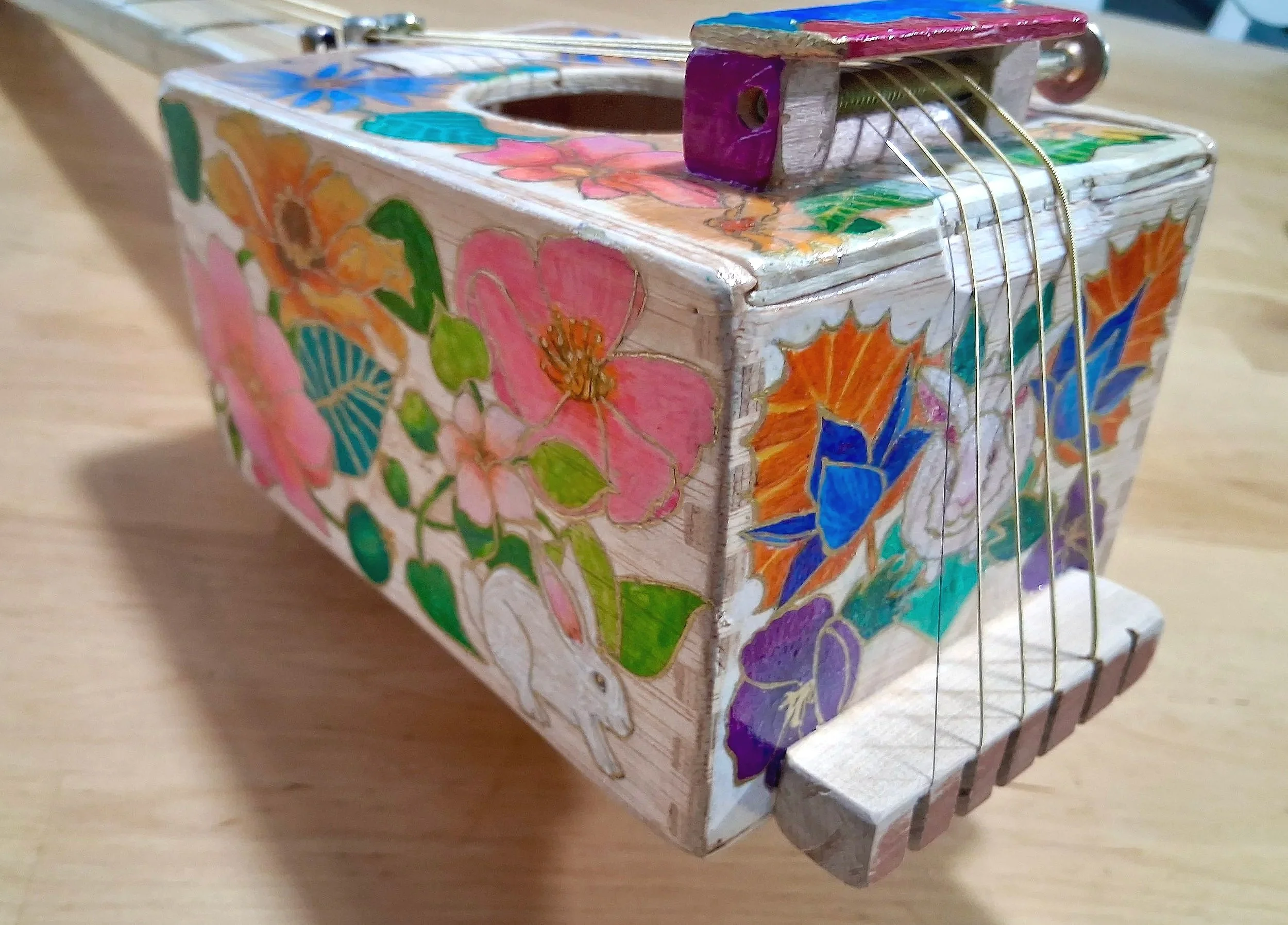
Handmade Box GuitarThis is one permutation of a box guitar I recreated for use in my stop-motion animation. I used to work with a program in NJ when I first started teaching that was completely interdisciplinary. People just came together to mash up art with other subjects. They asked me to play with ideas, and projects were designed based on curriculum planning that evolved responsive to the school community, the students and whatever continent or countries our team talked about. There are always a zillion ideas to attach to something like a guitar, or type of musical instrument from art history. I am not advanced at playing guitar by any means, but because I learned how to build them, string them and play with sound functionality, I am fairly good at inventing different types of these acoustic thingys. This one was a hypothesis. I was wondering what to do with the extra length of string I had ordered, having built the neck and body prior. I had studied a bunch of instruments in Europe and Asia that utilize various angles or sides of hollow wood forms as sound boards. I tried various metal string holders to get the strings to be held at different heights from the sound board. Handles, metal barettes, nails, metal paper brads, and combs were applied. Since I could only borrow other people’s guitars, or draw them at MPM, the goal evolved to be something I could strum and pluck, make at least a few chords from the neck, and get at least 2 sides strung to create different octaves. The music in my teacher sample animation includes the use of rubber band guitars, and this guitar to create an auditory personality for the frogs jumping. The higher octave of chord/plucking patterns comes from the end of the guitar, where the strings are more taught. The lower octaves come from the traditional face of the guitar, over the amplification hole. I do not have all of the frets worked out, and what I teach kids to make is typically much simpler. It is very enjoyable to teach kids about tinkering, and creative ideation where real artists mess around with things, and are always learning. When I teach guitars to kids, pieces are pre-cut, sanded and safe-ified for kid assembly. I am developing processes that incorporate the spirit of developing sound, and it is very exciting when I have time to do this.
2023/4 Bamboo Indonesian style rainstick instrument in progress
2023/4 Indonesian Rainstick in progress
My Teacher Demo samples of Cardboard rainsticks for student lessons
info
/
1
2
3
4
5
6
7
8
9
10
11
12
13
14
15
16
17
18
19
·
·
·
·
·
·
·
·
·
·
·
·
·
·
·
·
·
·
·