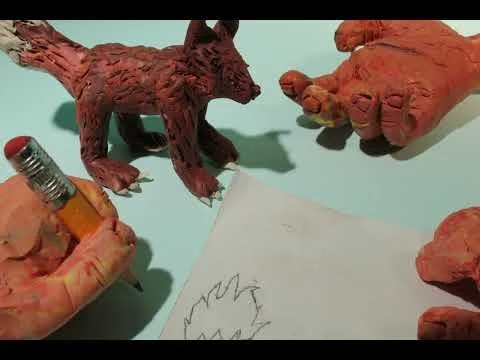
Kids Imagining natural habitat: Fine Artist Stop Motion Claymation Video
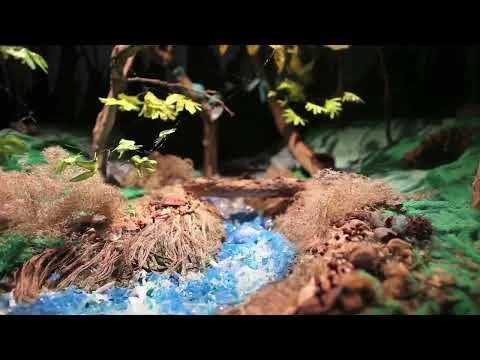
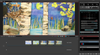
Claymation Natural Landscapes
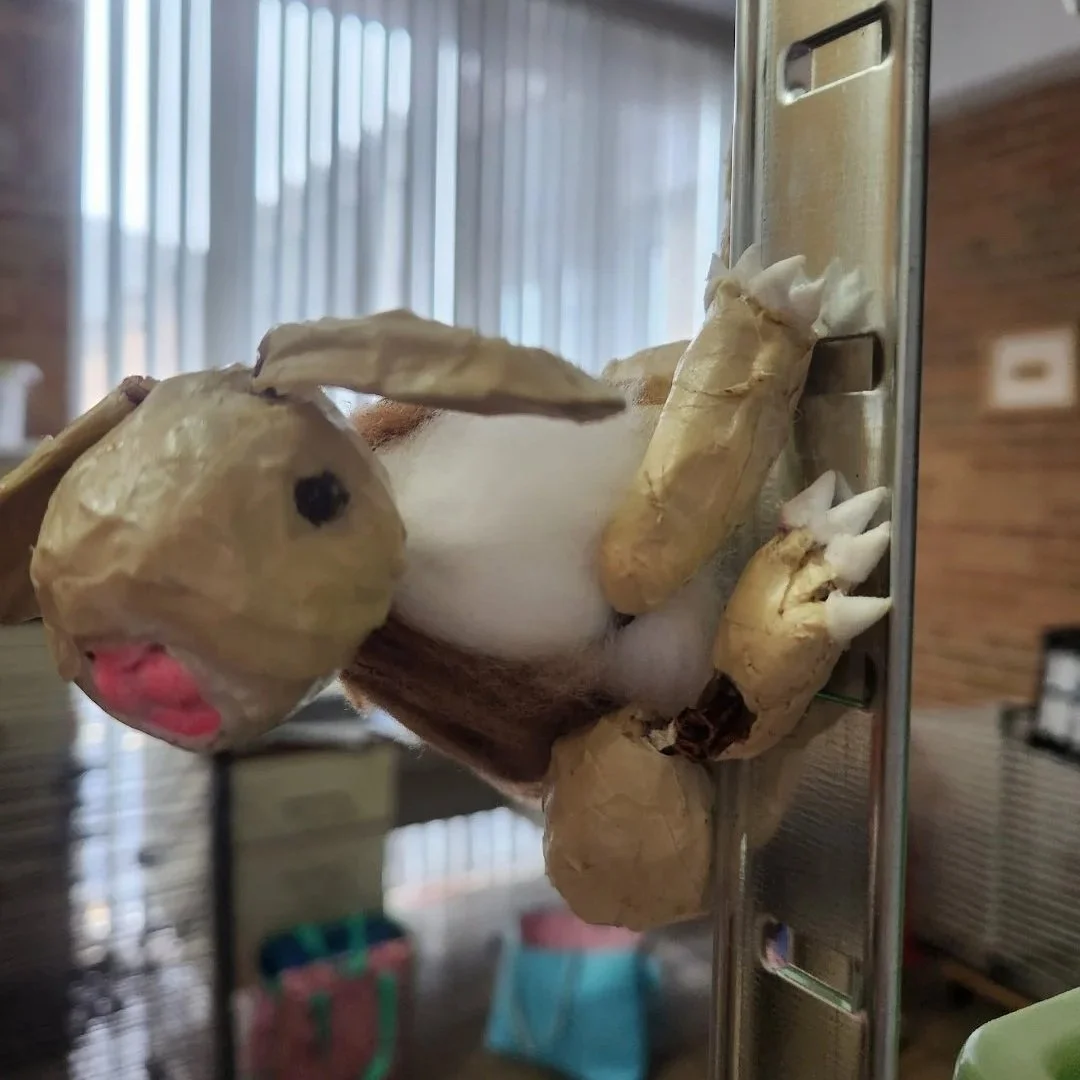
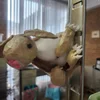
My Magnetic Papier Mache Rabbit Puppet in Process 2024
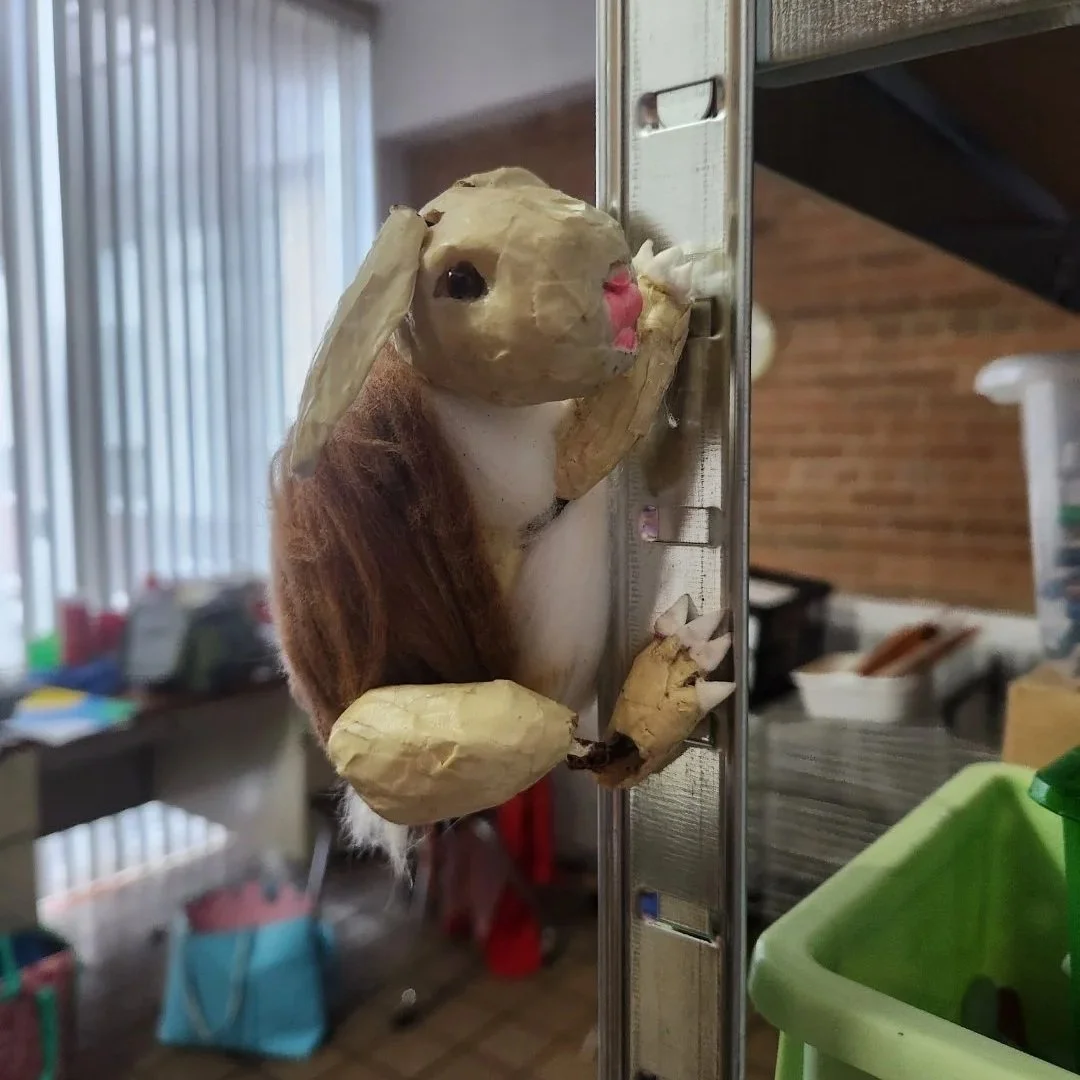
My Magnetic Rabbit Papier Mache Puppet in Process 2023
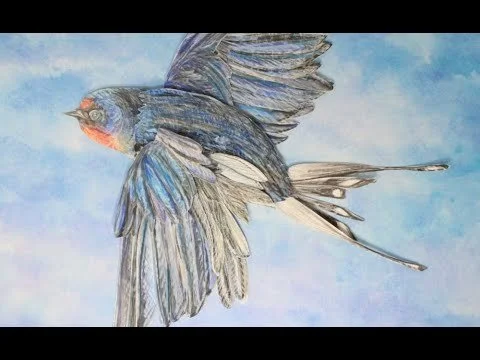
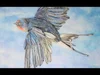
Nature Painting Animated
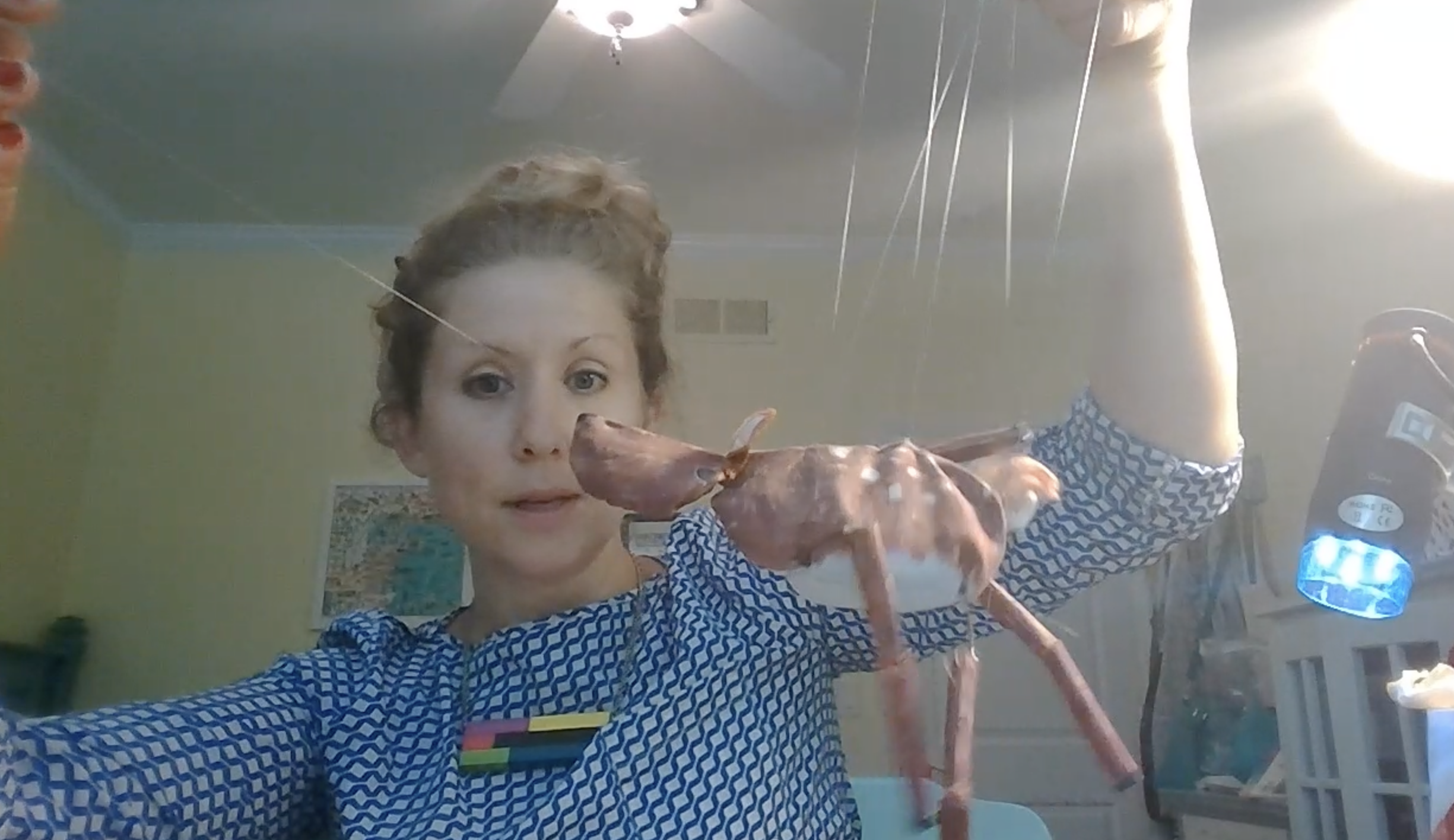
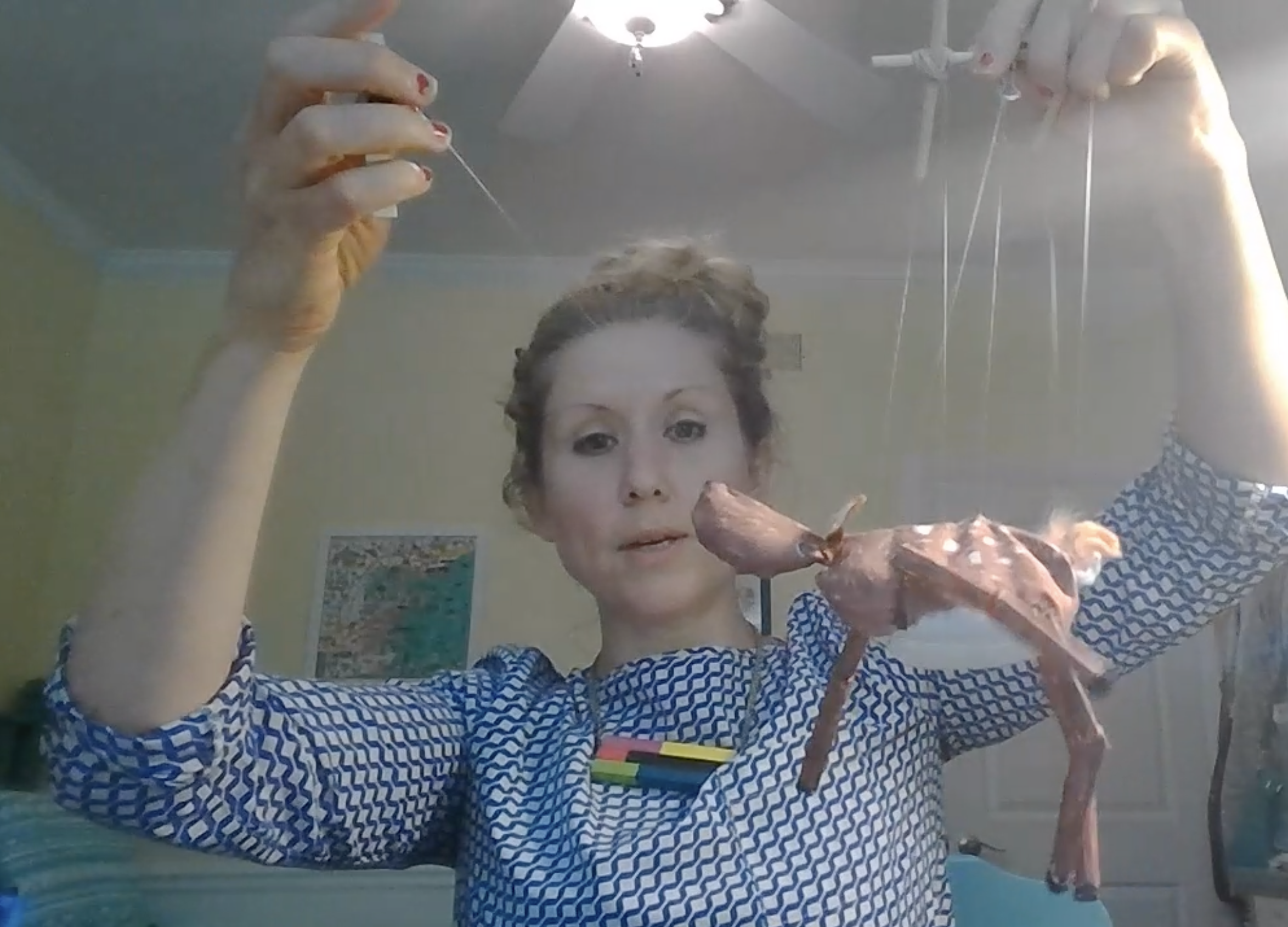
Teacher Demo of Fawn Marionette Lesson Sample for Elementary Students 2019
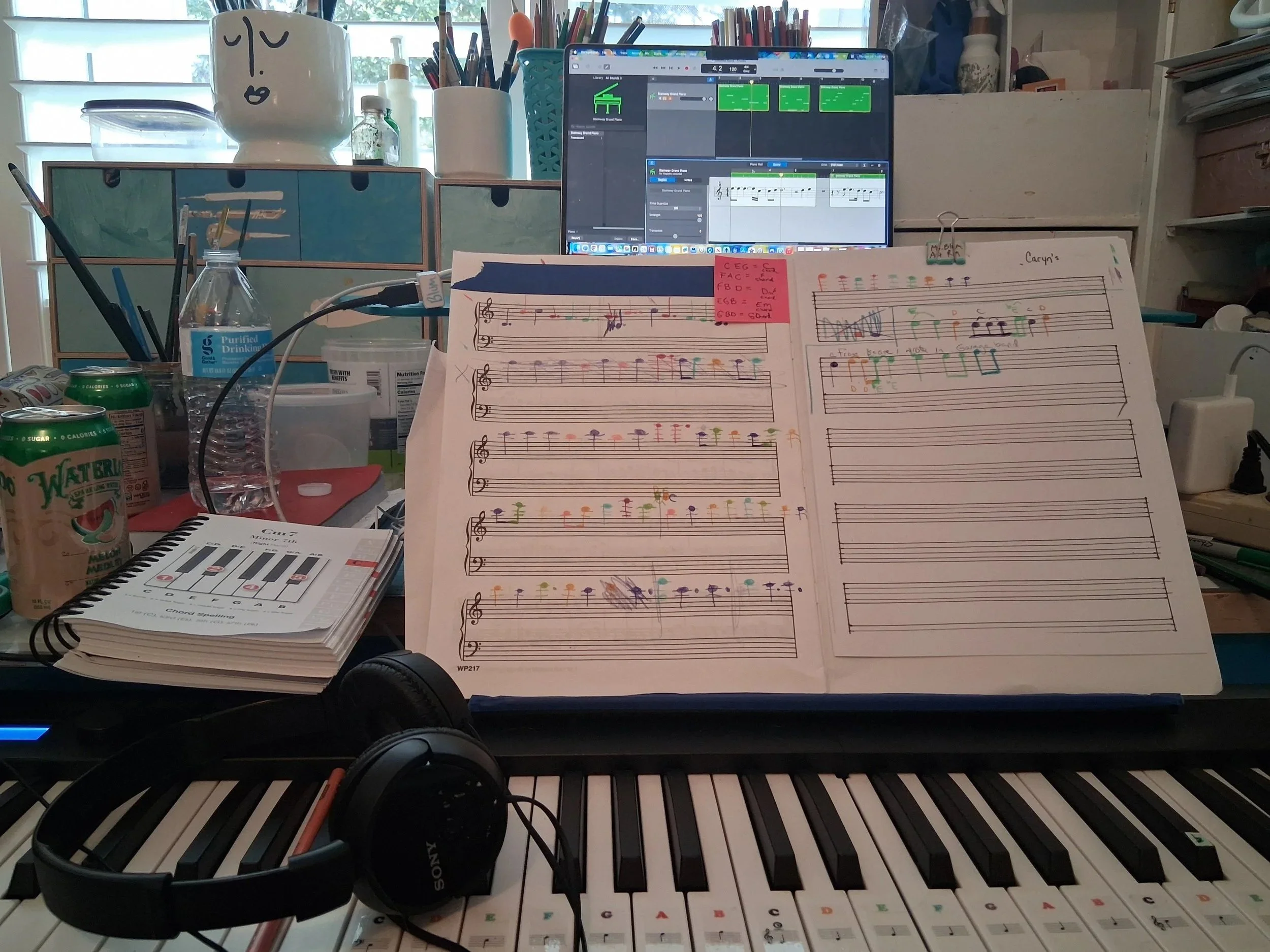
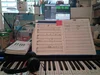
Teaching myself new songs and sound patterns for the animation score.
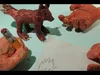
Kids Imagining natural habitat: Fine Artist Stop Motion Claymation VideoThis is a personal artist short stop-motion animation published in 2015 by myself. This is not intended for public, or shared use. I am archiving these works as Fine Art digital animations. These are not meant for kids, and are not shared publicly unless selected by a gallery or other family oriented cultural institution. My artist websites are not for sales. The work is just a digital archive of professional works.
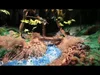
Claymation Natural LandscapesThis is a personal artist short stop-motion animation published in 2015 by myself. This is not intended for public, or shared use. I am archiving these works as Fine Art digital animations. These are not meant for kids, and are not shared publicly unless selected by a gallery or other family oriented cultural institution. My artist websites are not for sales. The work is just a digital archive of professional works.
My Magnetic Papier Mache Rabbit Puppet in Process 2024
My Magnetic Rabbit Papier Mache Puppet in Process 2023
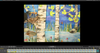
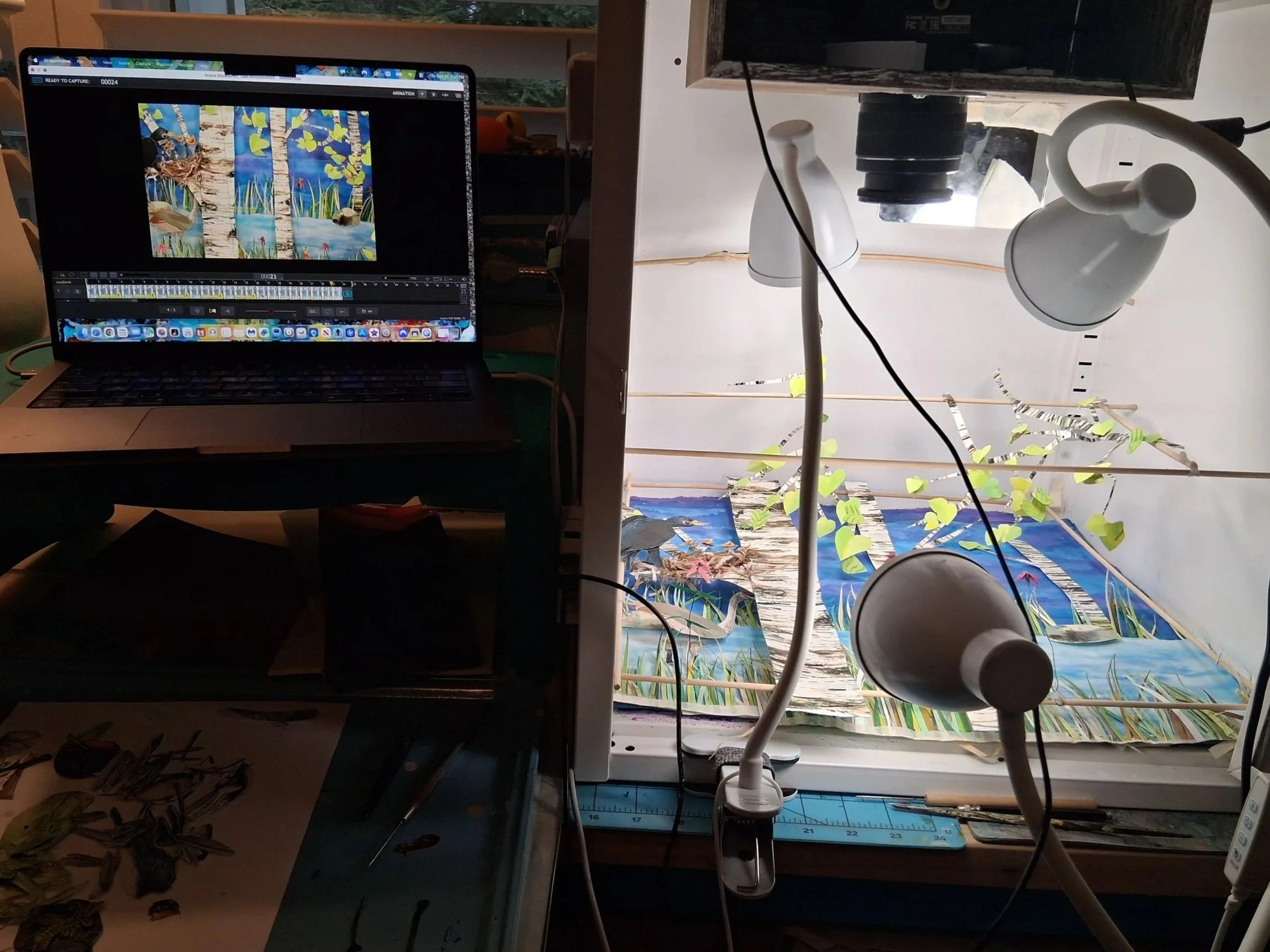
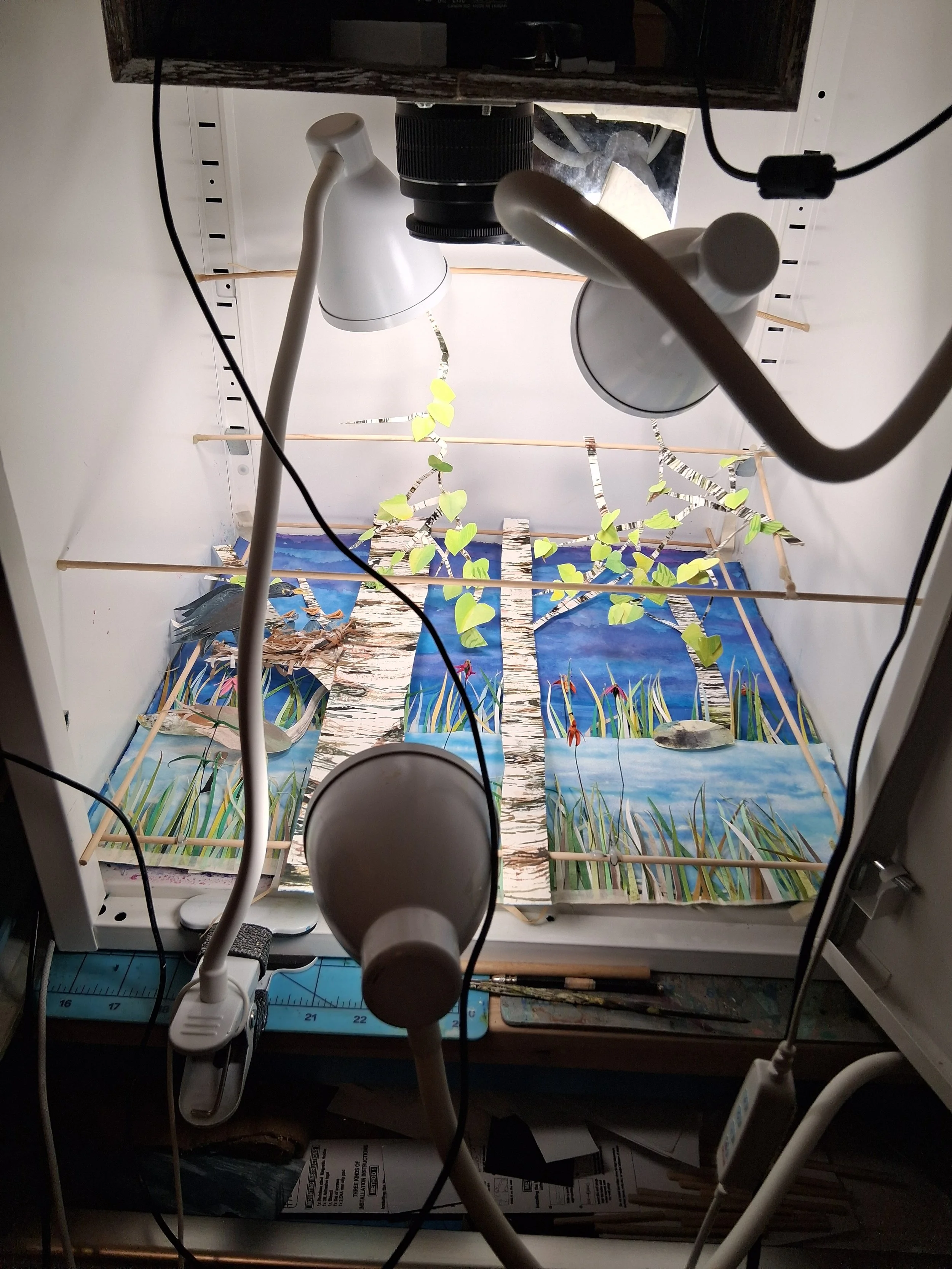
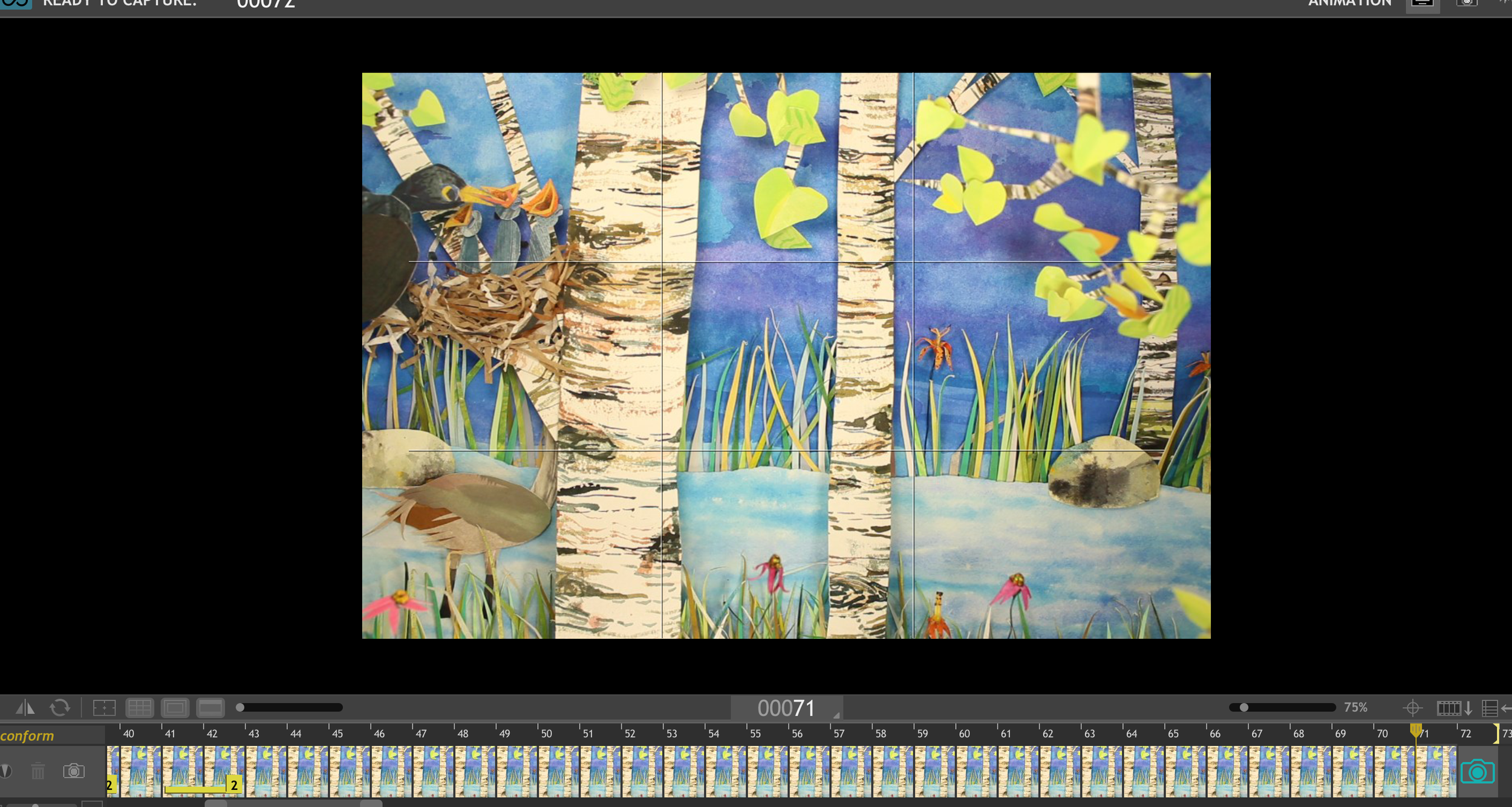
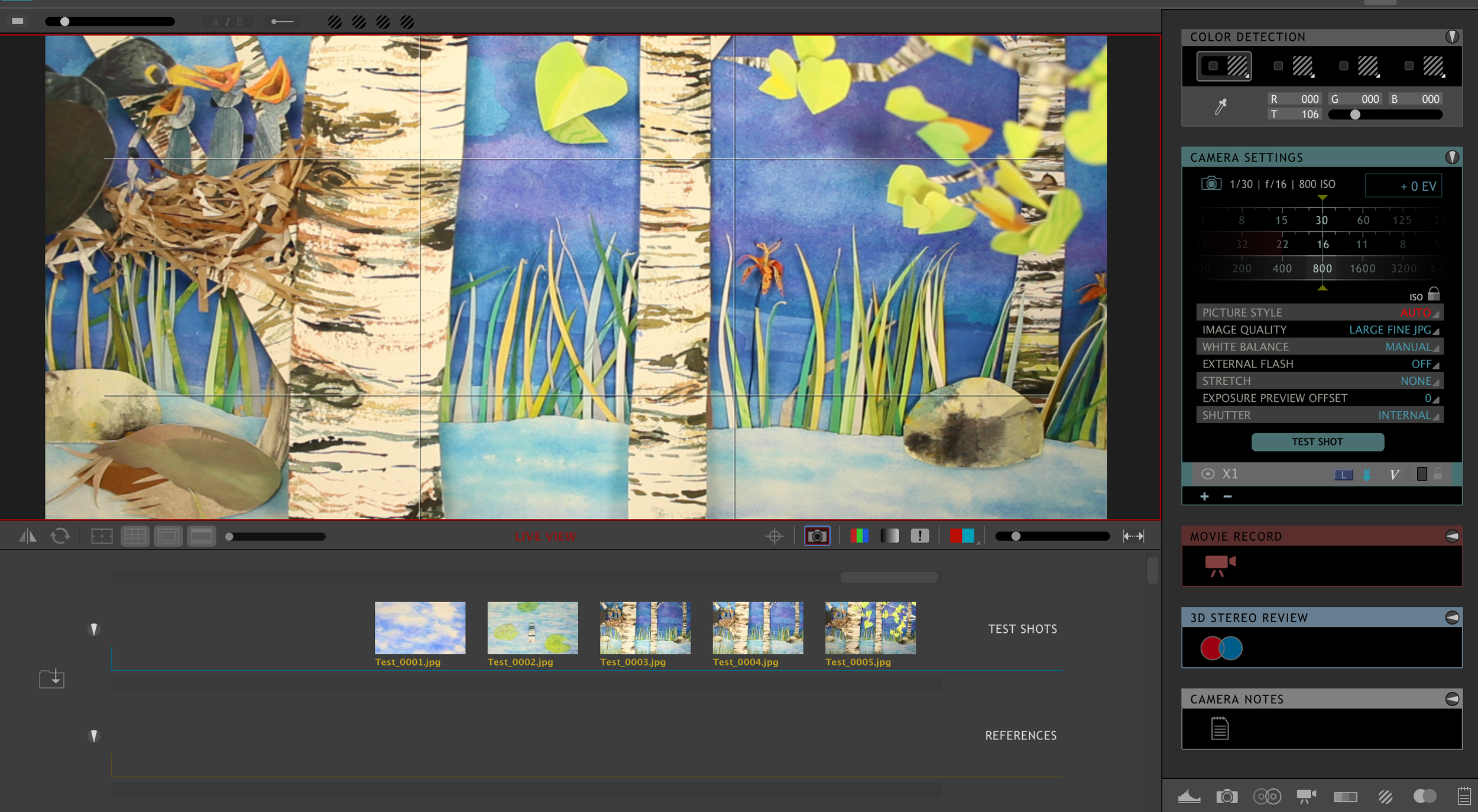
Nature Painting AnimatedThis is a hand-painted, hand-made stop-motion animation created in 2025-2026. I hand-made and designed each element, composed the music and sound myself with hand-made instruments such as a box guitar, clay ocarina, clay whistles, and pipes. I used my midi piano and Garage band to compose original scores in grand piano settings. Each part of this piece is my original Fine Art animated content, made over many months by hand using my portable animation studio box.
Teacher Demo of Fawn Marionette Lesson Sample for Elementary Students 2019I was working from home on flipped classroom modules to demonstrate string marionette puppet creation and movement from about 2011-2023. I use some of these in classes as mini samples, and I bring in many puppets I create and engineer the movements of at various levels for children. This puppet is a very simple bean-bag style puppet filled with sand, with paper legs. Four paper legs are connected to a + style controller, and a second controller allows for head movement. Puppets are a traditional artform that dates back to BCE Chinese dynastic artisan creations made for kids and community. French, Chinese, Vietnamese, Japanese, Russian and German puppet makers have had many types of puppets I like to incorporate into some of my elementary art curriculum. This puppet is a modern version scaled down for young children to make, inspired by traditional French marionettes.
Teaching myself new songs and sound patterns for the animation score.
info
/
1
2
3
4
5
6
7
8
9
10
11
·
·
·
·
·
·
·
·
·
·
·